Getting to the real problemDeciding with evidence

A week in the dark.

One student waited seven days for electricity — stopped by a single field on a form, and no sign pointing to the way around it.
Role
UX Researcher &
Product Strategist
Timeline
Oct – Dec 2024
10 weeks
Team
CMU MIIPS IPD
Team of 5
Type
Service & product
concept
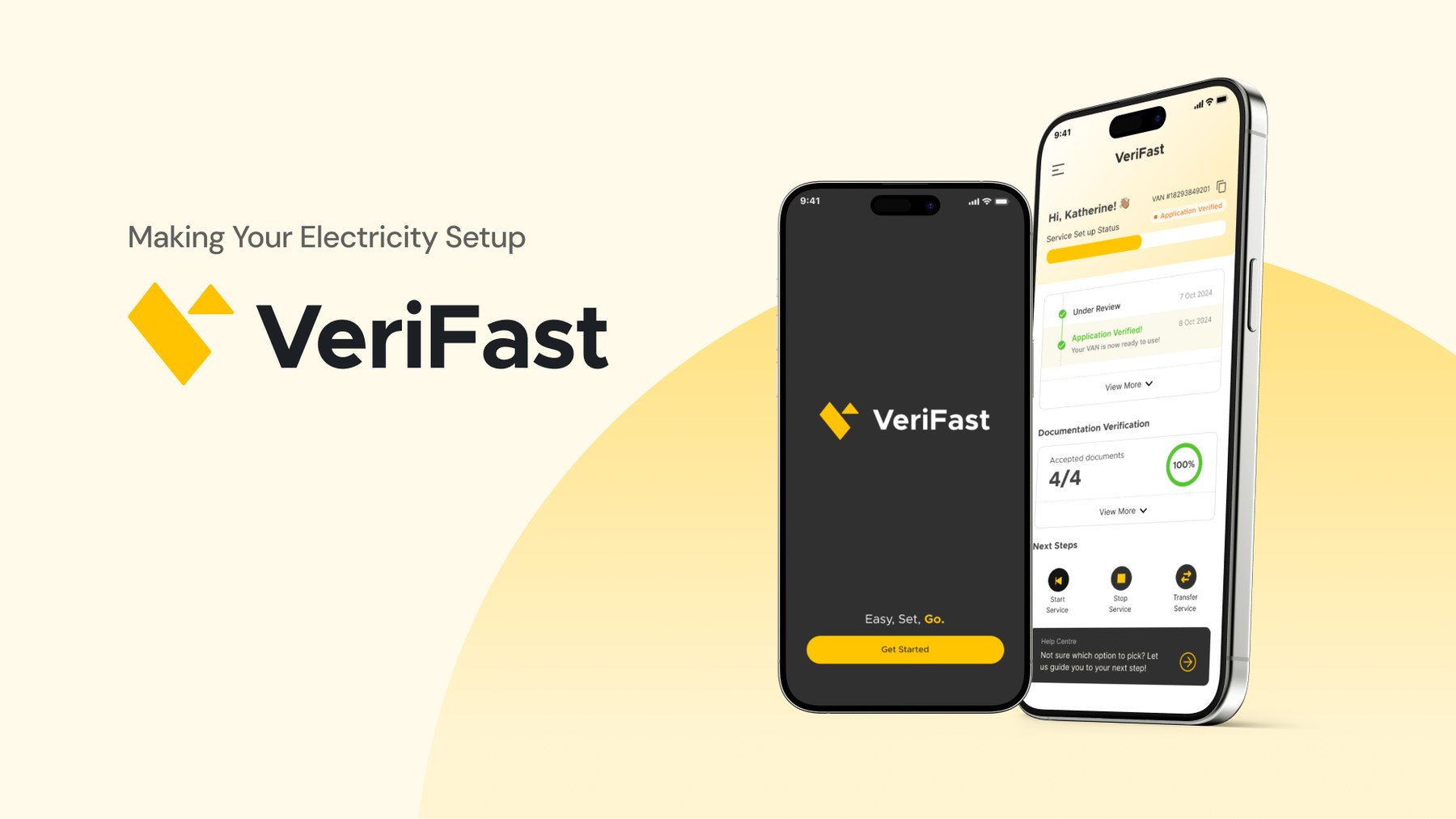
VeriFast — Making Your Electricity Setup, shown on two phone screens
The short version
The problem
New international students in Pittsburgh couldn't turn on their electricity. Every signup path demanded an SSN they don't have.
What I found
A workaround already existed — and most students already had the documents for it. Nothing told anyone it was there. The system was running on word of mouth.
The hard call
The company that owned the problem is a regulated monopoly with little reason to fix it. So we designed something that works without waiting for them.
What we built
VeriFast — a verification number that stands in for the SSN, plus the guidance the official flow never gave.
01

The pain doesn't start where everyone thinks

We began with an open question: what's the hardest part of moving to Pittsburgh as an international student? Everyone assumed it was finding an apartment.

47Survey responses to map the audience
12In-depth interviews · 40–60 min each
1Co-design session mapping the journey together
PESTLESurveyUser InterviewsCo-DesignJourney MapService Blueprint
💡 The reframe

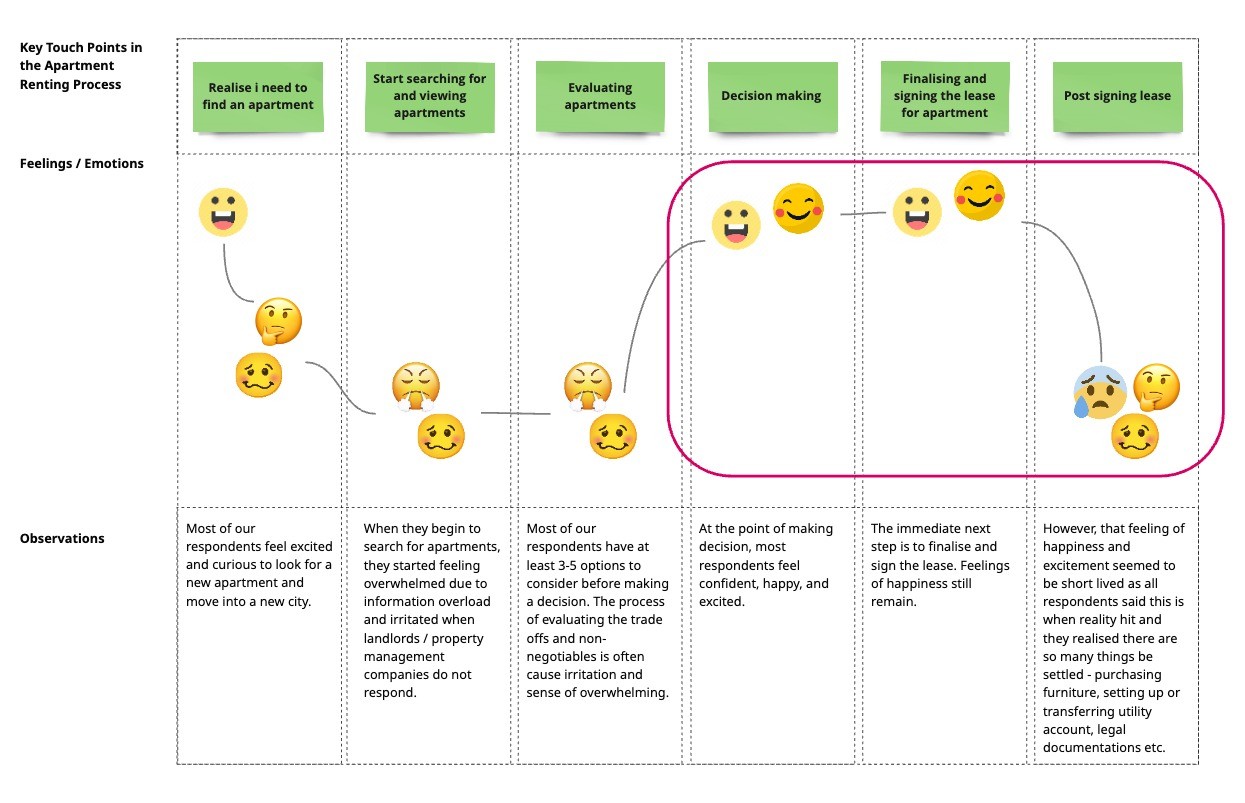
House-hunting is stressful, but it has a clear ending. The real collapse happens after the lease is signed — when electricity, gas and Wi-Fi all have to appear in the same week. And electricity is the one everything else depends on.

That single finding moved the project's scope. We stopped looking at renting, and started looking at the week after you get the keys.

Current-state journey map of the apartment renting process, with emotions dropping sharply after the lease is signed

Fig. 1 — Journey map built from interviews and co-design.

02

Three complaints, one root cause

Affinity mapping surfaced three consistent complaints about DLC, Pittsburgh's electric provider:

😶‍🌫️

Disorganized information

Unclear instructions; students can't tell which documents or path is right.

😫

Unfriendly application

The system asks for SSNs and notarized documents students can't provide.

😵‍💫

Setup is a hassle

Hour-long holds and endless email back-and-forth.

“Setting up utilities took the most time and effort compared to everything else. And I still ended up with no electricity for a week after moving in.” — Participant F, 26, international student at CMU

Most projects would stop here and redesign the interface. We kept going — because three symptoms this consistent usually share one cause.

03

The first problem we found wasn't the real one

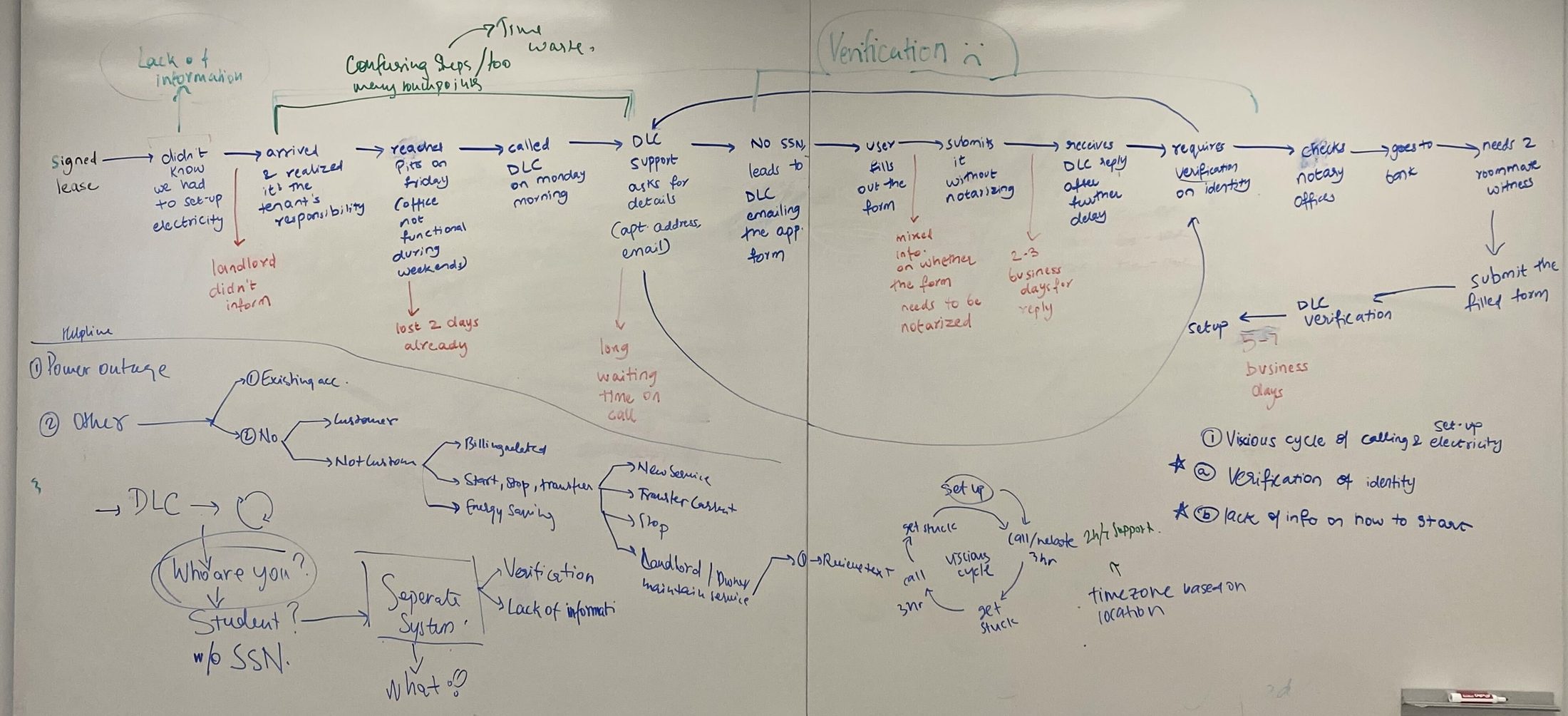
We walked DLC's own registration flow as a service blueprint and went down one layer at a time.

Layer 01 — what we saw first

The signs are confusing

The information architecture makes the entry point hard to find. This is where most redesigns would begin — and end.

Layer 02 — one level down

Even when you find the door, it's locked

New Service, Stop Service, Transfer Service — every path eventually asks for an SSN, account number, or meter number. A student who just landed has none of the three.

The real problem
Layer 03 — the bottom

A spare key exists. Nothing tells you where it is.

There is a path for applicants without an SSN — and most students already have what it needs: a passport, an enrollment letter, a student visa. But that path is buried deeper still, and at the login and application screens there is no “No SSN? Start here” — no link, no hint, nothing.

So the problem wasn't the form

The documents were obtainable. The process was survivable. What was missing was any visible route for the people the default path was never designed for.

Whiteboard service blueprint tracing the DLC application step by step, from signed lease to the SSN and identity-verification dead ends

Fig. 2 — Walking DLC's own flow, step by step. Every route converges on the same wall.

04

So how did anyone ever get through?

They asked someone who had. A senior who survived an hour on hold, or who eventually dug up the no-SSN document list and the right email address, and then passed the recipe on — to a roommate, a junior, a Facebook group.

The system worked — but only for people who already knew someone it had worked for.
The insight that changed the brief

This was never an interface problem. It was a knowledge-distribution problem. The most valuable thing in the whole system was tribal knowledge held by students who'd already made it through — and it reached you only if you happened to know the right person.

Which reframed what we were building. Not a prettier form — a way to turn that tribal knowledge into a product: the signpost, and the key.

05

Who actually wants this fixed?

Then came the uncomfortable part. We had a clear solution — but it lived inside a regulated monopoly. DLC is the only electric provider in Pittsburgh. Unhappy students don't leave, because there's nowhere to go. The pain is entirely the user's; almost none of it lands on the company.

The organization that owns the problem had the least incentive to solve it.

The one incentive that is real

Support capacity is a shared resource. Pittsburgh is a student city, and every August the same avoidable questions flood the same phone line — the line where an hour on hold is normal.

That queue is also where outage calls land. Clogging it isn't a customer-experience problem for DLC; it's an operational risk — and a seasonal cost in overtime and temporary staffing.

So we didn't build for DLC first

Waiting for a monopoly to care is not a strategy. The people with urgent incentive are the ones already absorbing this work for free:

Universities answering the same question every August. Landlords who need tenants moved in and verified. Student communities already passing recipes around by hand.

Build there, prove the verification pipeline, and DLC's reason to integrate arrives on its own: someone else has already done the work, and the applications land clean.

06

VeriFast — the signpost and the key

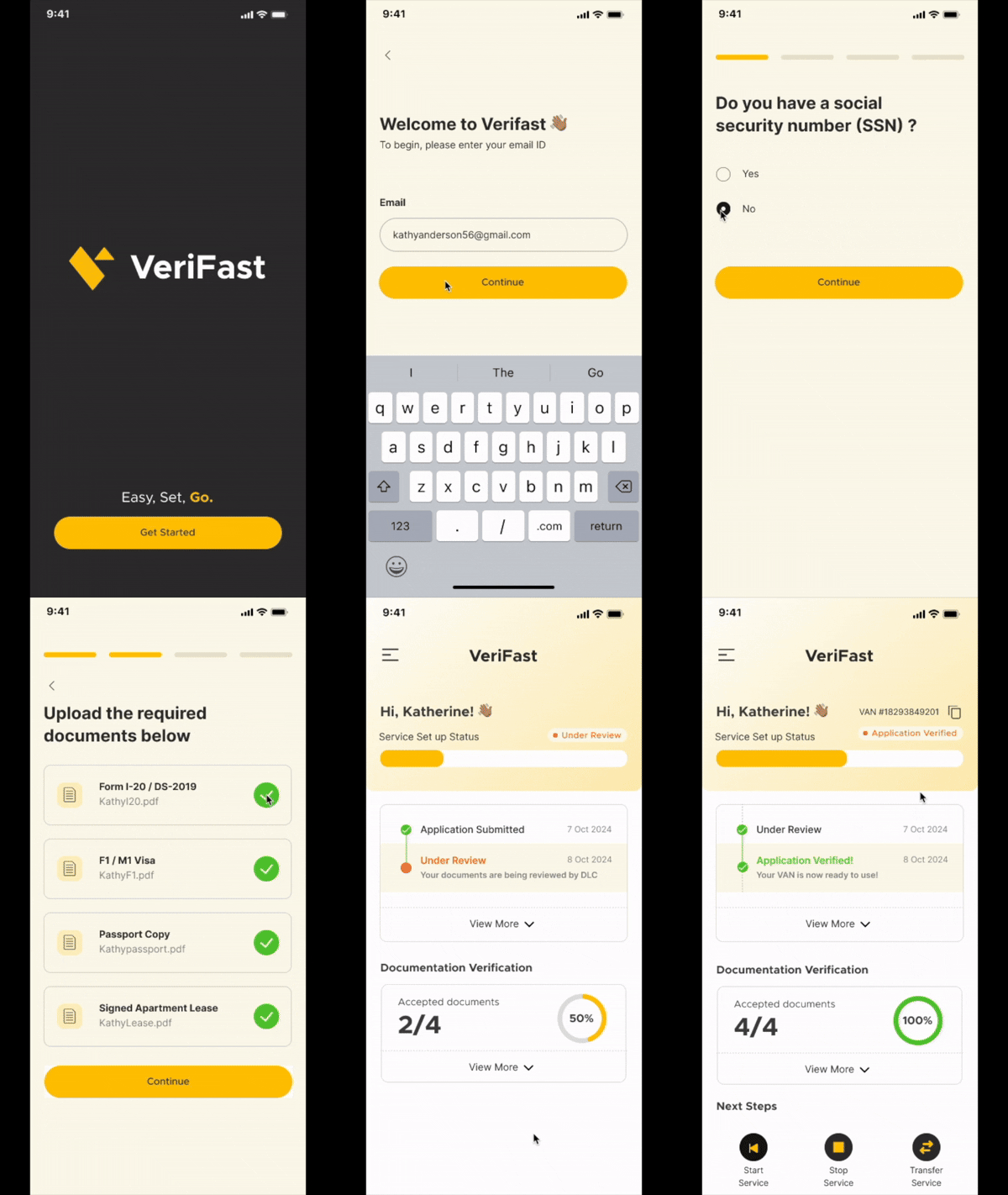
A layer that sits in front of the utility, turning a bureaucratic dead end into a guided, independent application.

01

A Verification Application Number that stands in for the SSN

  • Create an account with an email — nothing you need a US identity to get
  • Answer a few questions about visa status and available documents
  • Upload passport, enrollment letter, visa; track verification in real time
  • Once verified, a VAN is issued and completes the utility application — no SSN required
Why this isn't a security shortcut

Banks already accept this exact document set — passport, enrollment letter, visa — to open an account, a far higher-stakes relationship than switching on the lights. If a bank can establish who someone is this way, a utility can too, using the same identity-verification infrastructure the industry already runs on.

VeriFast app: creating an account and generating a Verification Application Number
02

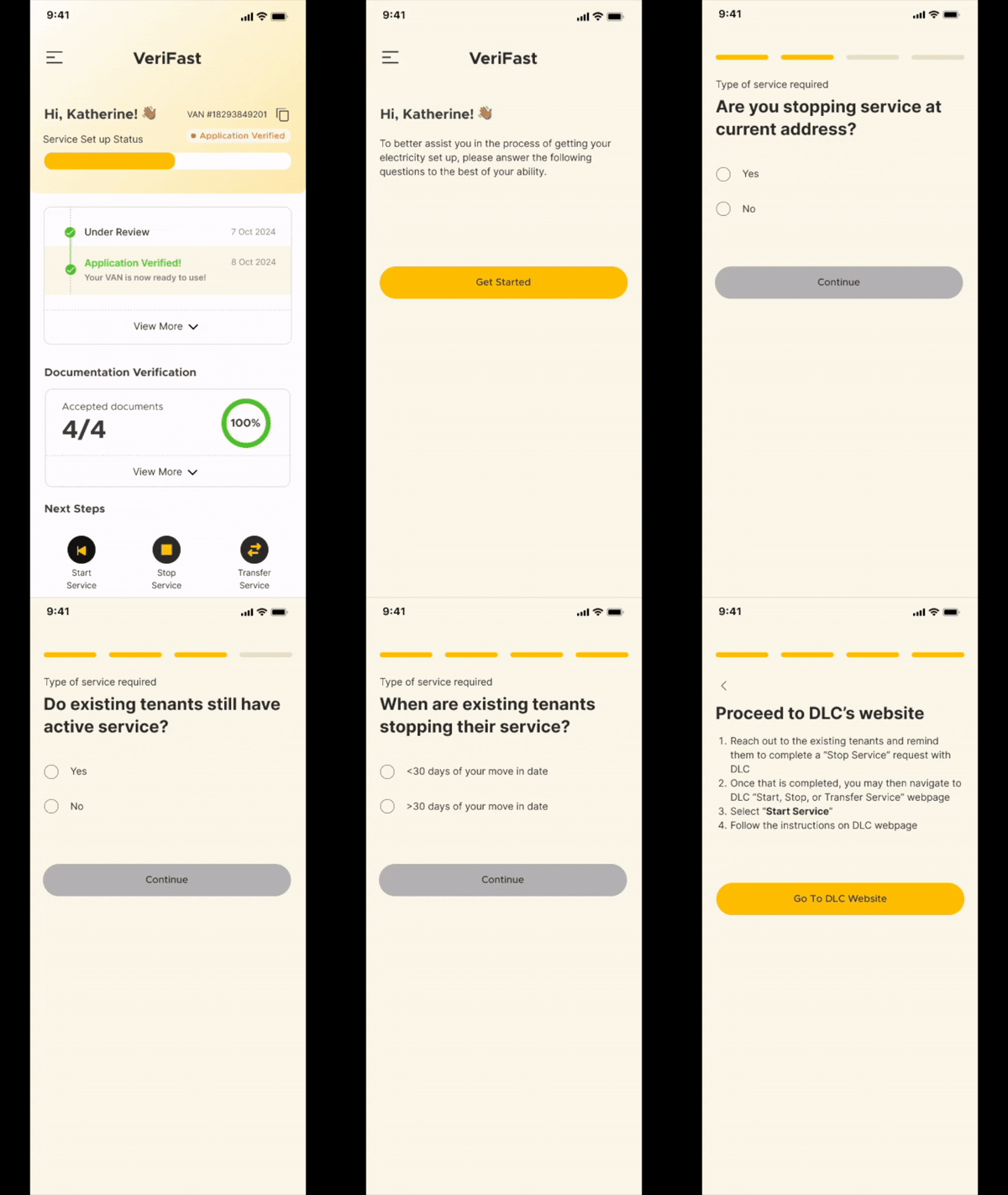
The guidance the official flow never gave

  • A few questions about the moving situation
  • The system determines activate / stop / transfer — instead of making the student guess
  • Routes to the correct next step, so no path dead-ends
Why guessing was the problem

Which path is right depends on the housing situation, and the student is rarely the one who knows it. A fresh lease means opening a new account. A sublet or a private rental could be a transfer or a new activation, depending on what the previous tenant did, and the landlord doesn't always say. The form asks students to pick one of three options using information they don't have.

VeriFast app: a guided flow that decides whether to activate, stop or transfer service and routes to the right next step
03

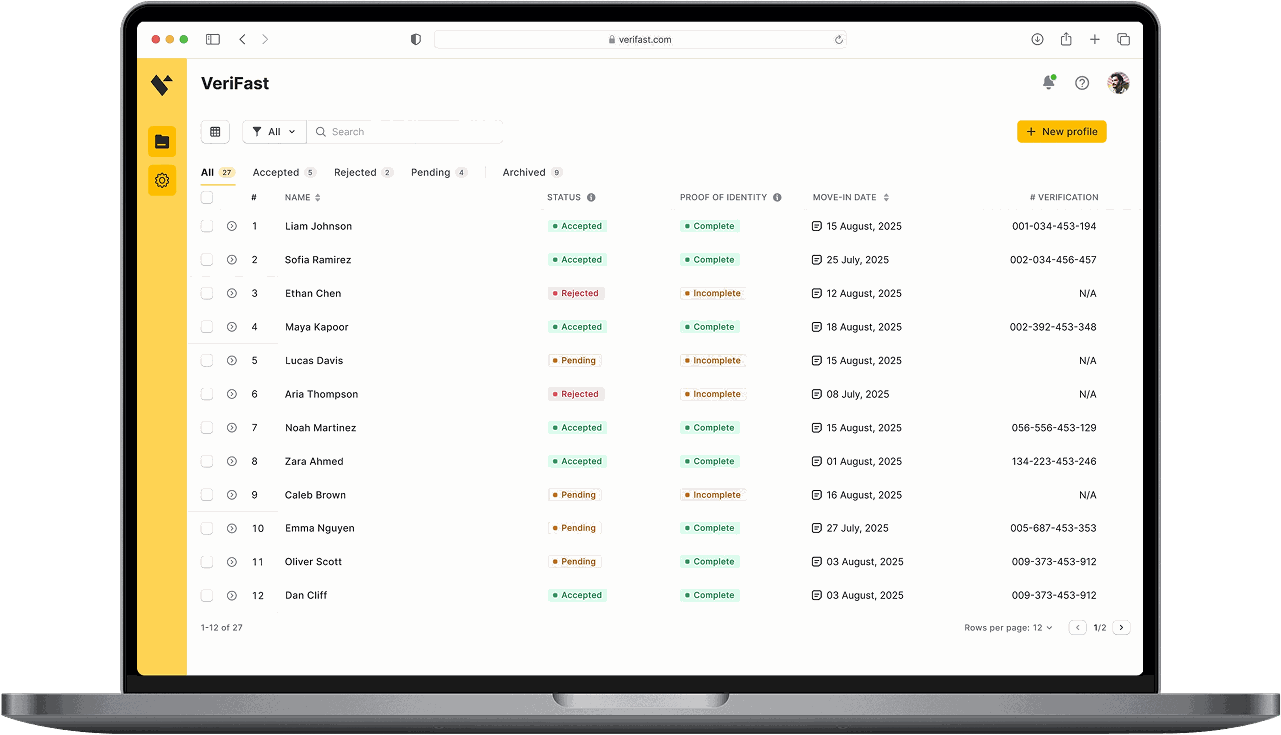
Tracking that takes load off the phone line

  • Applicants see status without calling to ask
  • Fewer avoidable calls in the August spike
  • Support capacity stays free for the calls that actually need a human
  • On the other side, one queue shows every application and what it is still waiting on
VeriFast review dashboard: every application listed with status, proof of identity, move-in date and verification number
07

How I'd know if it worked

This was a concept project, so there are no shipped numbers to report. But a design without a definition of success is just a proposal — so here is what I would instrument, and what I would watch for.

North star
7 days → next day
Time to power-on. Students don't care about the interface. They care how many nights they spend in the dark.
Drivers
  • Self-serve completion rate — applications finished with zero human contact. The stated goal was independence; this is the metric that matches it.
  • Drop-off at registration — the exact step where every path used to dead-end.
  • Touchpoints per application — calls and emails needed to get connected. Today: several, plus hour-long holds. Target: zero.
  • First-pass verification rate — how often documents clear without resubmission.
Guardrails — how this could fail
  • False-verification rate. We're standing in for an identity check; loosening the gate can't mean opening it.
  • Verification turnaround. If review needs humans, the bottleneck just moves from the phone line to the queue behind it.
  • Support load shifted, not removed. Are we preventing calls — or generating a new kind?
08

What I'd pressure-test next

The SSN isn't only an ID

US utilities also use it to run credit checks that decide whether a deposit is required. A credential that replaces the SSN has to answer that question too — not just “who are you”.

The real backend

Map DLC's actual systems with their team to define exactly where this layer plugs in.

Legal standards

Confirm what counts as acceptable identity verification for a utility account.

Where it goes from here

Every utility, not one

Water, gas, internet — the same wall, the same missing signpost.

Landlords & universities

The parties already absorbing this work, and the fastest route to real usage.

A portable credential

One verified identity that opens every door a newcomer needs.

09

What this one taught me

Two things I've carried into every project since.

The first problem you find is rarely the real one. Three layers down, the villain wasn't a bad interface — it was a missing signpost for the people the system was never designed for. Getting there took refusing to stop at the first plausible answer.

A good solution still needs someone who wants it. Finding the right fix and finding who has a reason to adopt it are two different jobs — and the second one decides whether the first ever ships.

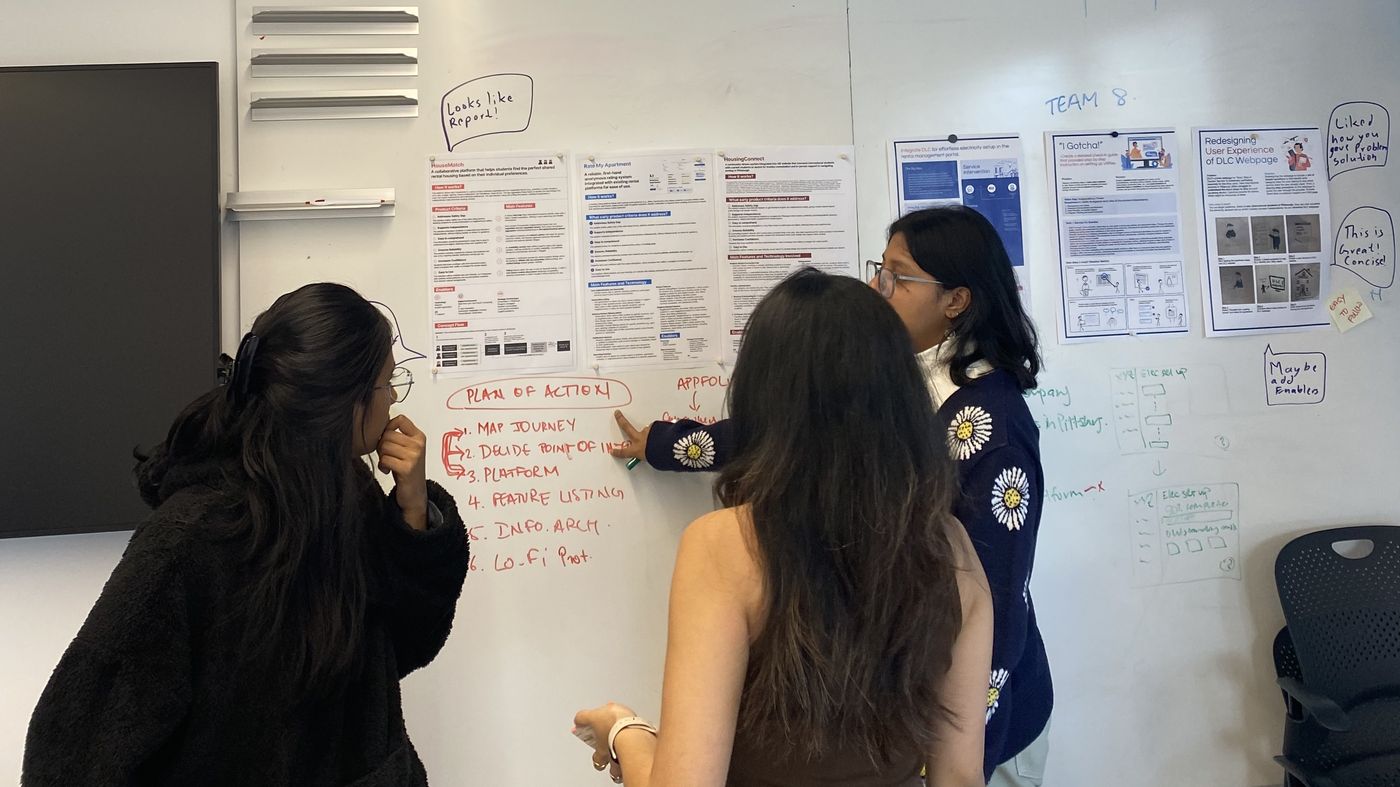
The IPD team reviewing concept posters and a plan of action on the studio whiteboard